
Truck stock changes constantly
Parts move between vehicles, jobs, and warehouses. Track transfers so the truck inventory stays accurate and usable.
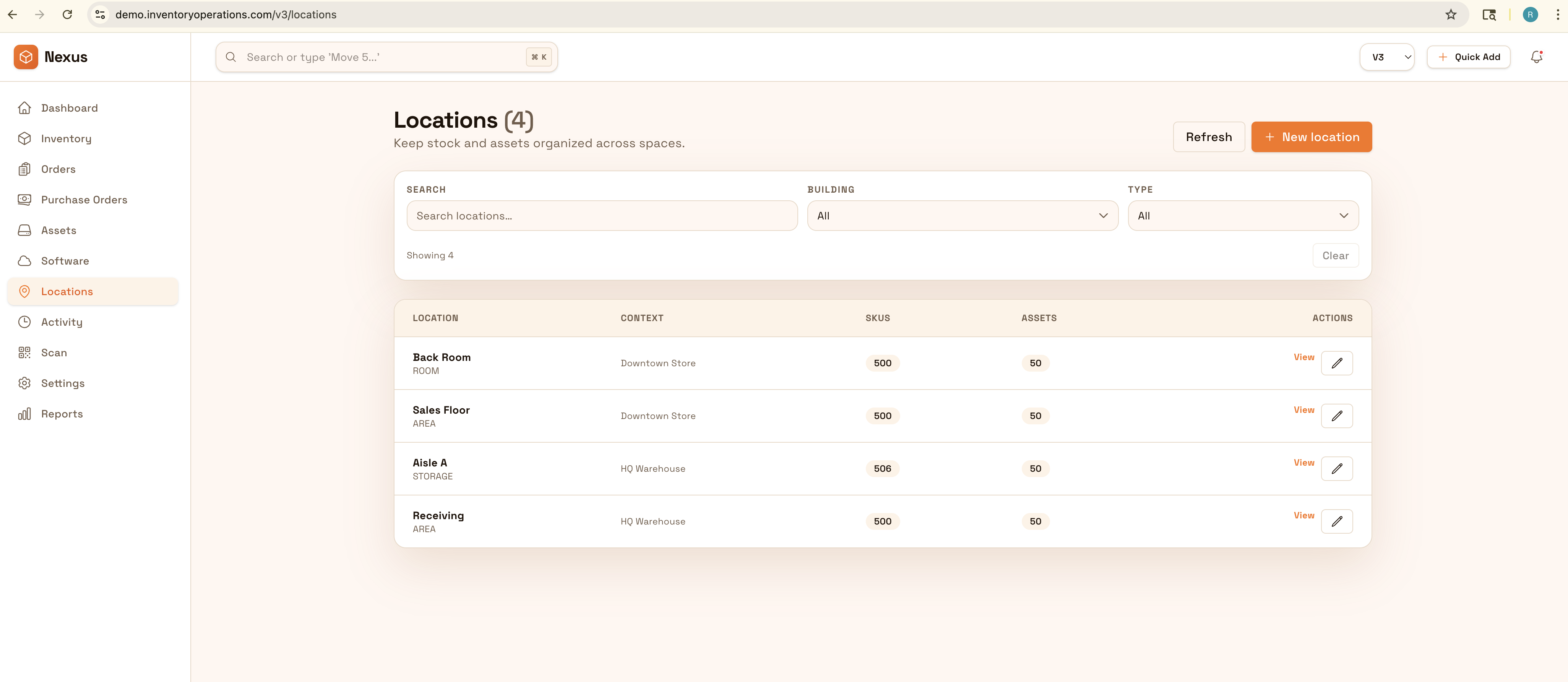
Track parts, tools, and materials across trucks, jobs, and warehouses with clear movement history. Keep every transfer and adjustment traceable so crews have what they need and emergency reorders drop.
Keep crews stocked and jobs moving: track parts, tools, and materials across trucks and warehouses with traceable transfers and controlled adjustments.


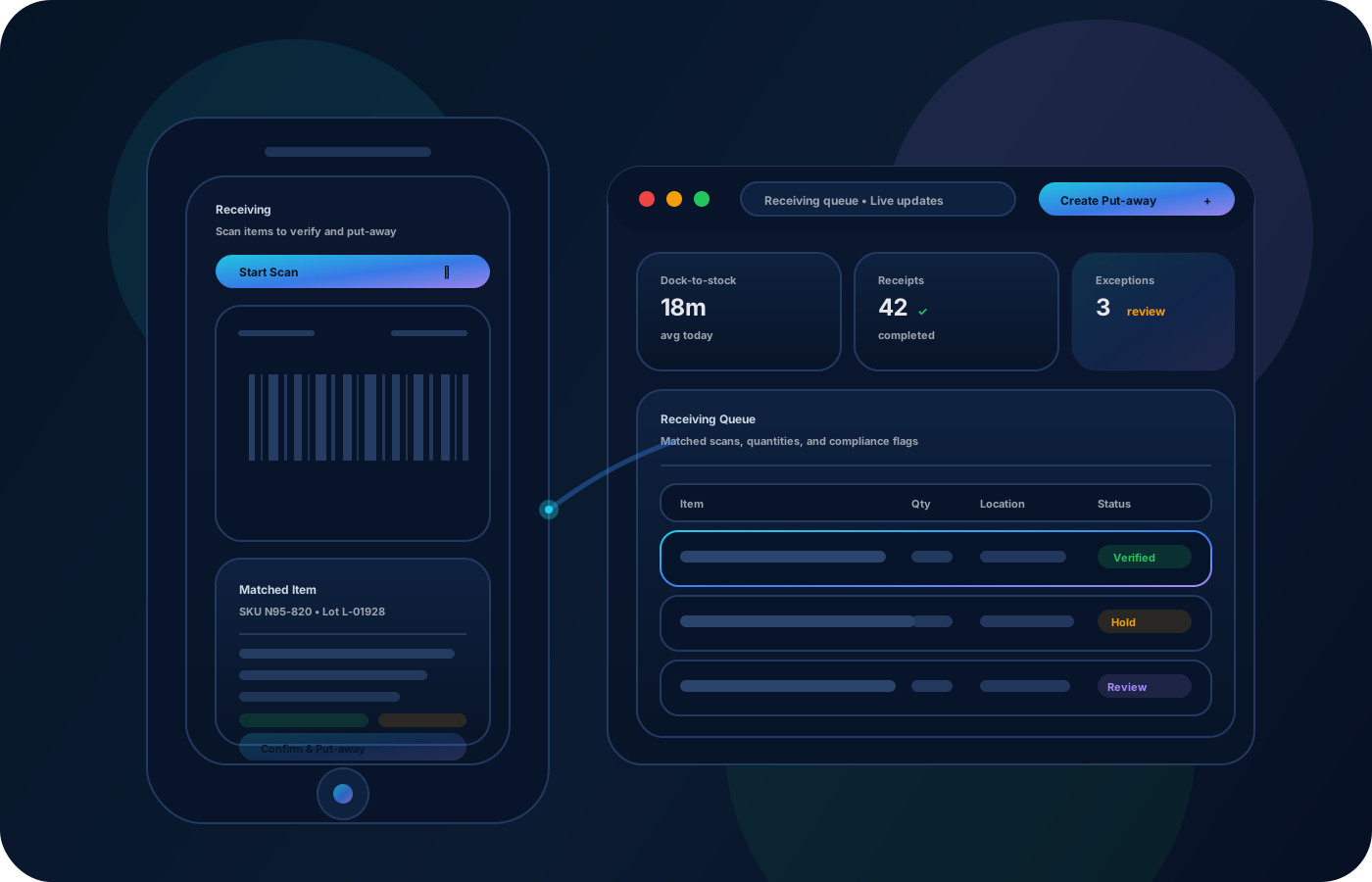
Electrical teams depend on having the right parts and tools on the truck and on the job. Inventory operations prevent last-minute runs and reorders by keeping locations, handoffs, and usage visible across crews and sites.
Most teams start here. IO helps you reduce drift, keep accuracy high, and maintain a trail you can trust.
Parts move between vehicles, jobs, and warehouses. Track transfers so the truck inventory stays accurate and usable.
When crews can’t find parts, they reorder. Visibility and replenishment signals reduce last-minute purchasing.
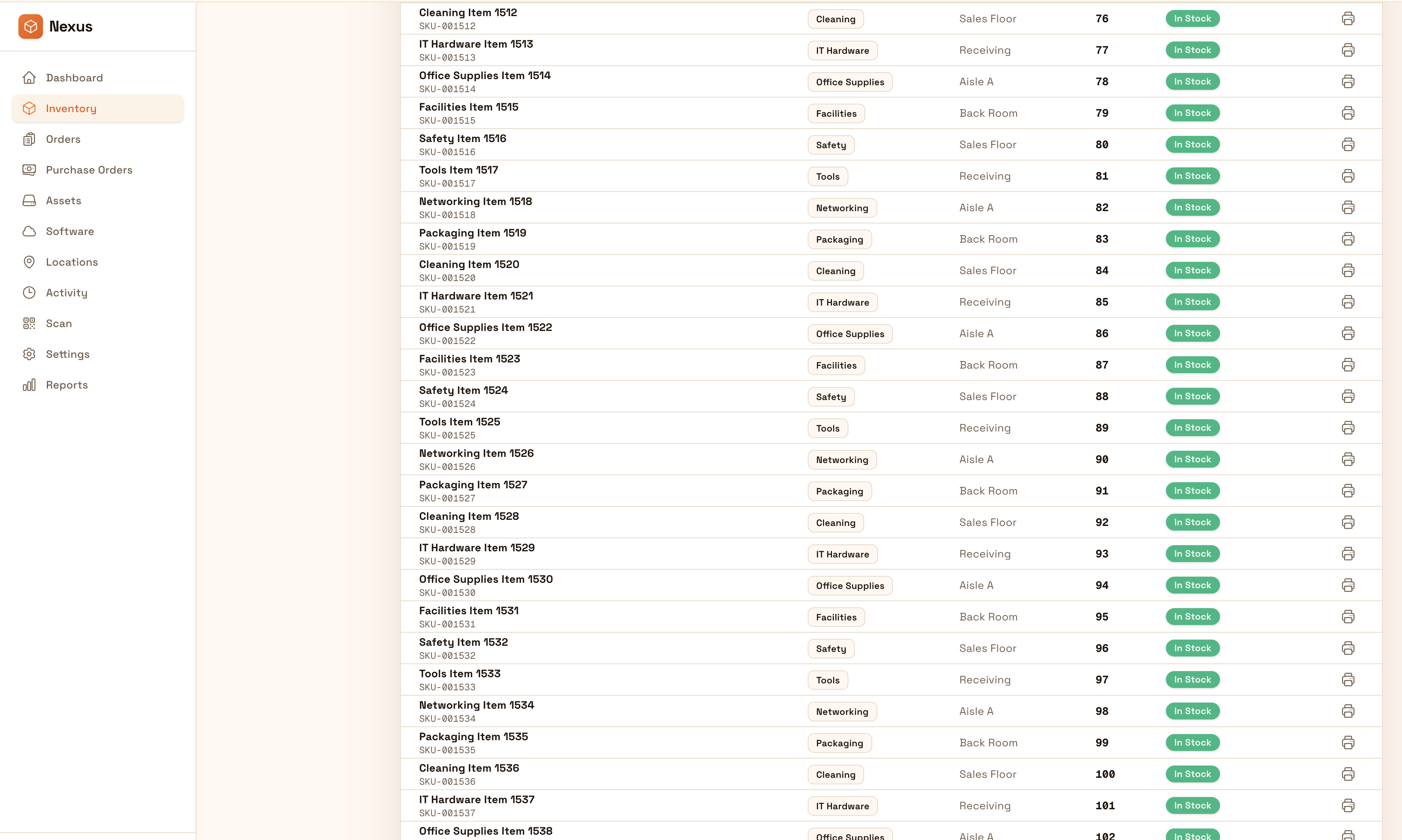
Shared parts and tools need accountability. Clean movement history makes reconciliations faster.
IO standardizes tracking, controls, and evidence—so teams can operate confidently across sites and stakeholders.
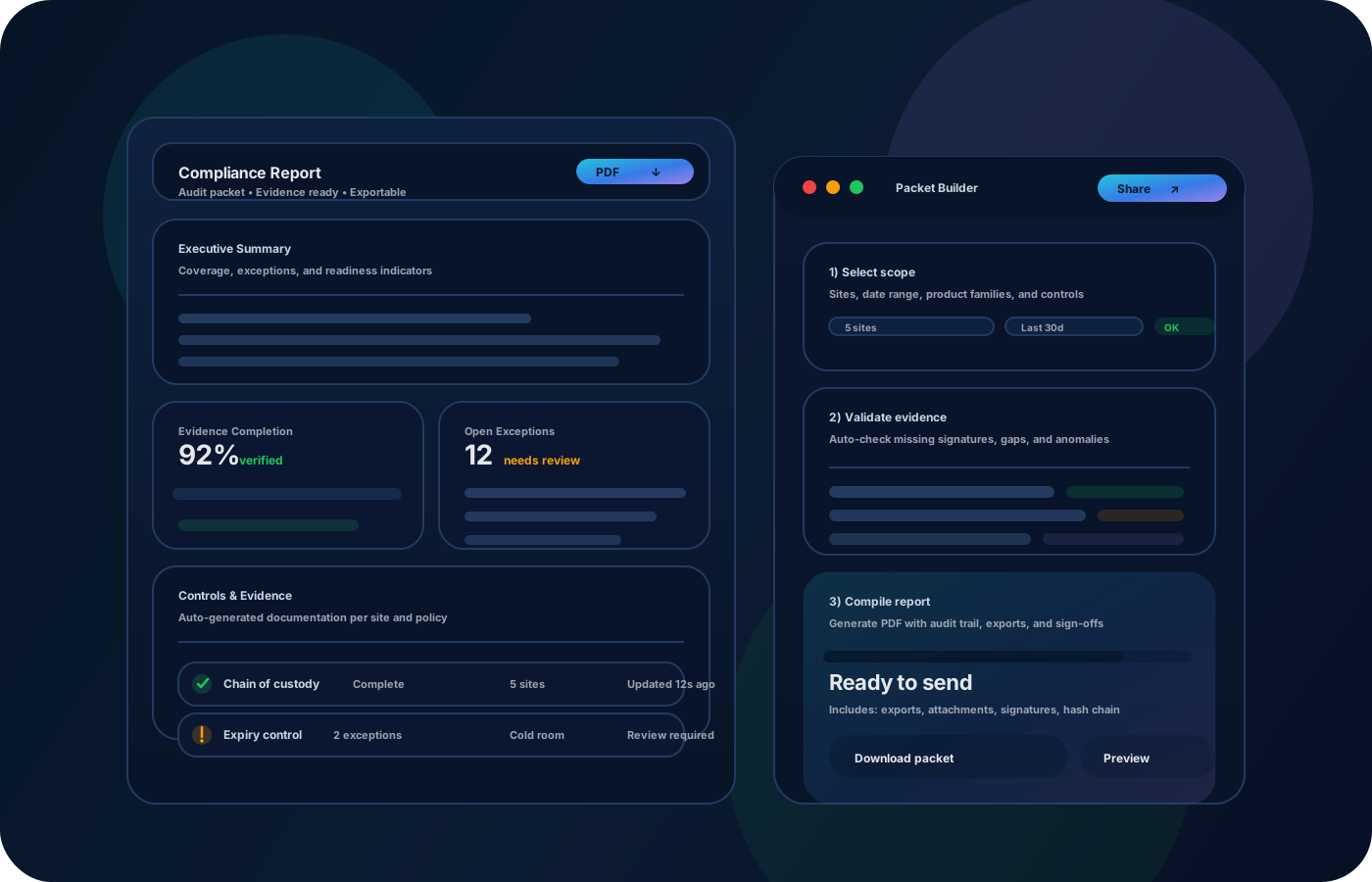
• Parts and materials by truck, job, and warehouse • Transfers and consumption patterns • Tool custody for shared equipment • Adjustments with reasons and approvals • Exportable reorder and reconciliation reports
Treat trucks and active jobs as locations so inventory stays structured.
Record moves between trucks and warehouses to keep stock truthful.
Use reorder lists and routine checks to keep trucks stocked without overbuying.
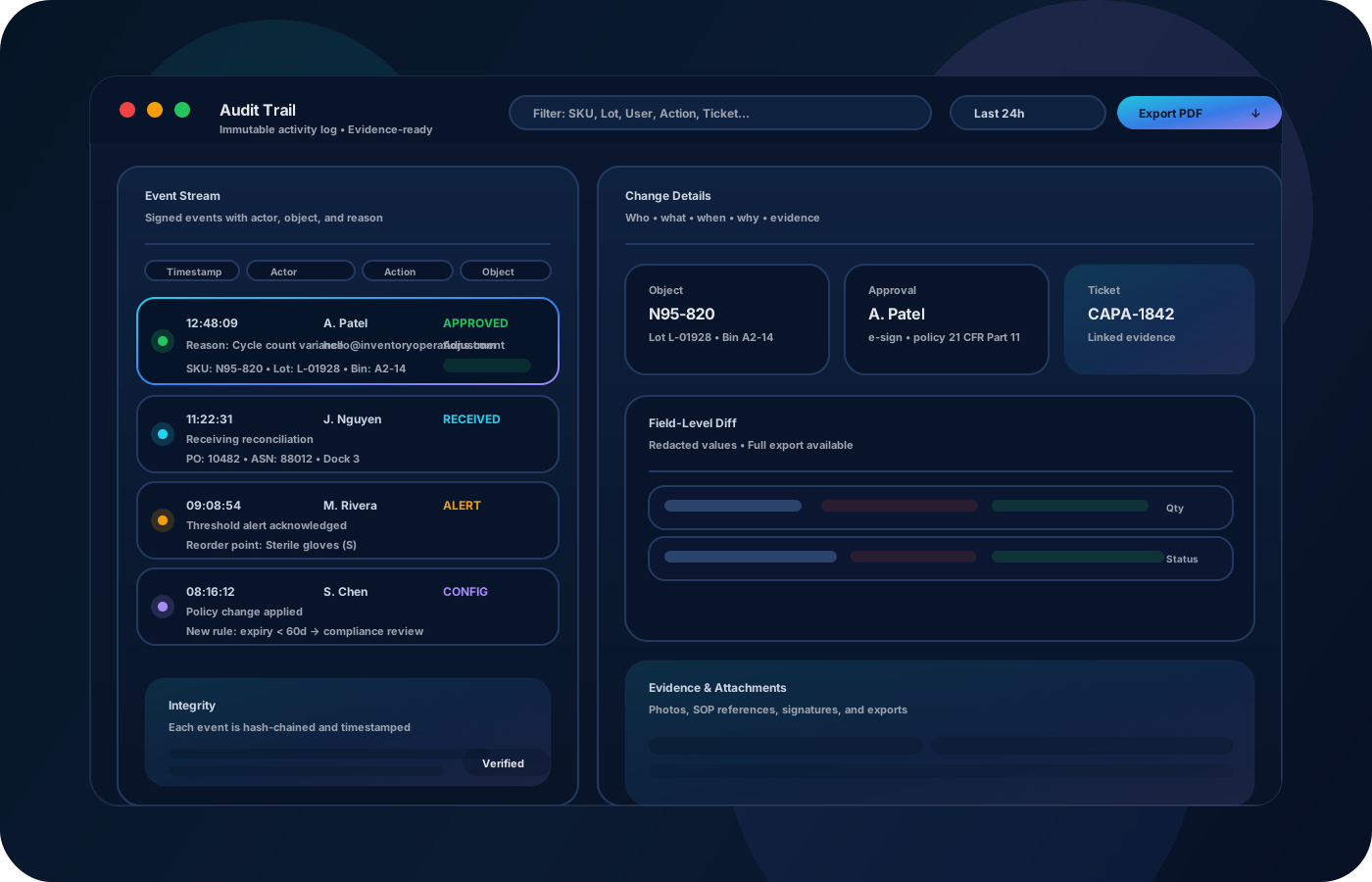
Document adjustments and export summaries for review and process improvements.
Tell us your compliance and operational requirements. We’ll recommend the right rollout.
Use permissions for adjustments and write-offs. Preserve transfer history so teams can explain shortages and reduce repeat issues.
The biggest wins are usually accuracy, speed, and defensible accountability.
Yes—treat each truck as a location and record transfers as stock moves.
Yes—visibility and consistent replenishment routines reduce last-minute purchasing.
Yes—use custody and location history for shared tools and equipment.
Yes—exports make replenishment predictable and reviewable.
Start with your most active trucks and highest-usage parts, then expand.